
In the fast-paced world of online betting, fairness and transparency are essential to maintaining user trust and engagement. One critical component of this ecosystem is bias detection, which serves as a safeguard to ensure that betting platforms operate impartially and ethically. Bias, whether unintentional or systemic, can undermine the credibility of a platform, influence user behavior negatively, and expose operators to legal or reputational risks. By implementing effective bias detection mechanisms, betting platforms not only protect their users but also reinforce the integrity and long-term sustainability of their services.
Bias in betting platforms can manifest in several ways, including algorithmic favoritism, skewed odds, or the promotion of certain games and outcomes over others. Algorithmic bias, for instance, can arise from the way odds are calculated or how machine learning models are trained to recommend bets. If historical data reflects an uneven distribution of outcomes or player behavior, models can inadvertently favor certain participants or outcomes. This can create an uneven playing field, where some bettors are consistently advantaged while others face higher risks. Bias detection tools analyze these patterns to highlight inconsistencies, ensuring that algorithms provide fair and balanced recommendations.
Another dimension of bias emerges from human operators and decision-making processes. Even in highly automated platforms, human input is required to set rules, update odds, and oversee system integrity. Cognitive biases, such as favoritism toward high-value players or the tendency to highlight popular events, can subtly influence platform behavior. By monitoring for irregular patterns, platforms can identify areas where human biases may affect outcomes or user experiences. This vigilance ensures that operational decisions remain objective, preventing unfair advantages and fostering a culture of accountability.
Bias detection also plays a crucial role in user experience. Bettors are increasingly savvy and can detect patterns that suggest unfair treatment or manipulation. Platforms that fail to address biases risk losing user confidence, leading to decreased engagement and lower retention rates. Conversely, platforms that demonstrate proactive bias monitoring build a reputation for fairness, attracting a broader audience and encouraging responsible betting practices. Transparent communication about how bias is detected and mitigated further reinforces user trust, making players feel secure and valued.
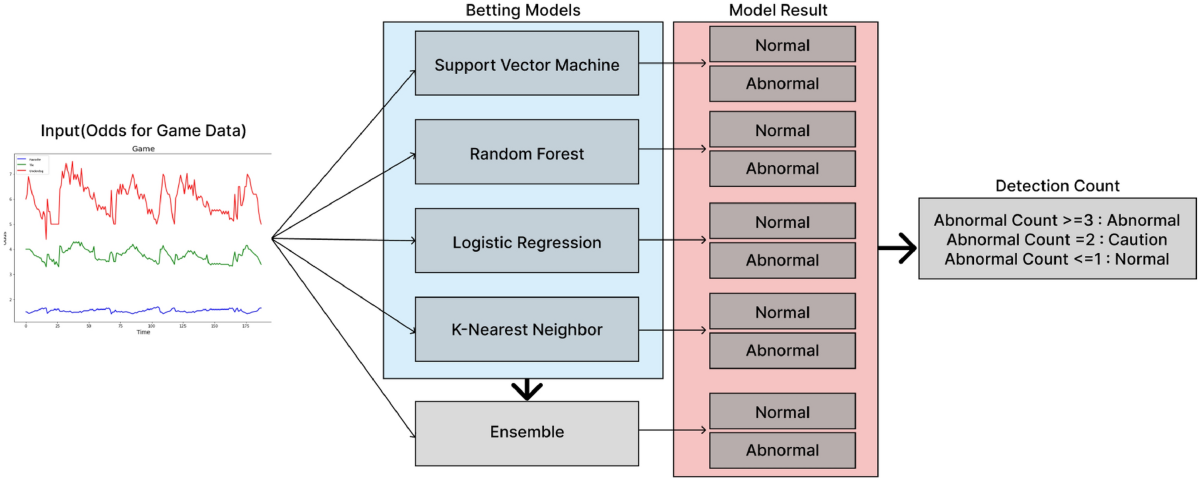
The technical implementation of bias detection involves several layers. Data analysis and machine learning are central to identifying anomalies in betting behavior, odds distribution, and payout patterns. Statistical models can highlight deviations from expected outcomes, while anomaly detection algorithms flag unusual patterns that may indicate bias. By integrating these tools into platform operations, operators can continuously monitor system integrity, addressing issues before they impact users. Regular audits of both algorithms and operational procedures complement automated detection, providing a human oversight layer that ensures comprehensive fairness.
Ethical considerations are deeply intertwined with bias detection. Betting platforms operate in an environment where financial stakes are high, and user trust is paramount. A platform perceived as biased not only risks losing customers but also faces scrutiny from regulators and watchdog organizations. Ethical responsibility requires that platforms actively work to minimize bias and demonstrate transparency in their processes. Bias detection serves as both a technical and moral imperative, guiding decision-making and fostering responsible gaming practices.
Regulatory compliance is another critical driver for bias detection. Many jurisdictions mandate that online betting platforms operate transparently and fairly. Bias detection systems provide documented evidence that the platform is actively monitoring for and mitigating unfair practices. This documentation can be crucial during audits or regulatory reviews, ensuring that operators remain compliant with laws designed to protect consumers. In regions with strict gambling regulations, robust bias detection can also serve as a competitive differentiator, signaling to both users and authorities that the platform prioritizes fairness.
In addition to fairness and compliance, bias detection can enhance platform analytics and decision-making. By identifying patterns of bias, operators gain insights into user behavior, market trends, and system performance. These insights allow for the refinement of algorithms, more accurate odds setting, and better-targeted promotions. Ultimately, a platform that understands where bias may arise is better positioned to optimize operations while maintaining fairness and user trust.
The impact of bias detection extends to responsible gaming initiatives as well. Platforms that monitor for biased outcomes are better equipped to identify users who may be at risk of problematic betting behavior. For example, if certain recommendations disproportionately influence a player’s choices, bias detection can highlight these patterns, enabling interventions to promote safer gaming. By connecting fairness monitoring with responsible gaming efforts, platforms can create a more ethical and user-centered betting environment.
Bias detection is not a one-time process; it requires continuous adaptation and evolution. Betting markets are dynamic, with new games, technologies, and user behaviors constantly emerging. Platforms must update detection algorithms, refine models, and stay aware of potential new sources of bias. Continuous education for staff and iterative testing of systems are essential to maintain efficacy. By treating bias detection as an ongoing commitment rather than a static feature, platforms ensure long-term integrity and resilience.
Ultimately, bias detection serves as a cornerstone of trust in online betting platforms. It safeguards users, reinforces ethical standards, supports regulatory compliance, and provides actionable insights for platform improvement. Users feel more confident engaging with platforms that demonstrate fairness and transparency, while operators benefit from enhanced reputation, user loyalty, and operational efficiency. By embracing bias detection as both a technical necessity and an ethical responsibility, betting platforms can cultivate a trustworthy and sustainable environment where users feel secure and respected. The commitment to fairness, underpinned by robust bias detection, ensures that the platform’s success is aligned with the best interests of its users, creating a virtuous cycle of trust, engagement, and growth.
In a landscape where technology and human judgment intersect, bias detection is not optional—it is essential. Platforms that proactively implement bias detection position themselves as leaders in fairness, accountability, and user-centric design. By continuously monitoring, analyzing, and mitigating bias, these platforms uphold the integrity of their services, enhance user experience, and foster a culture of transparency. The benefits ripple across all aspects of operations, from technical performance to ethical compliance, ultimately making the platform a safer, more enjoyable, and reliable space for betting enthusiasts.



Leave a Reply