
In the realm of online betting, self-monitoring interfaces have emerged as a vital tool for enhancing user control and promoting responsible gambling behavior. These interfaces are designed to provide bettors with real-time insights into their activities, enabling them to make informed decisions and mitigate risks associated with excessive or impulsive betting. By offering clear visibility into betting patterns, spending, and time allocation, these systems empower users to engage more consciously with betting platforms while maintaining an enjoyable experience.
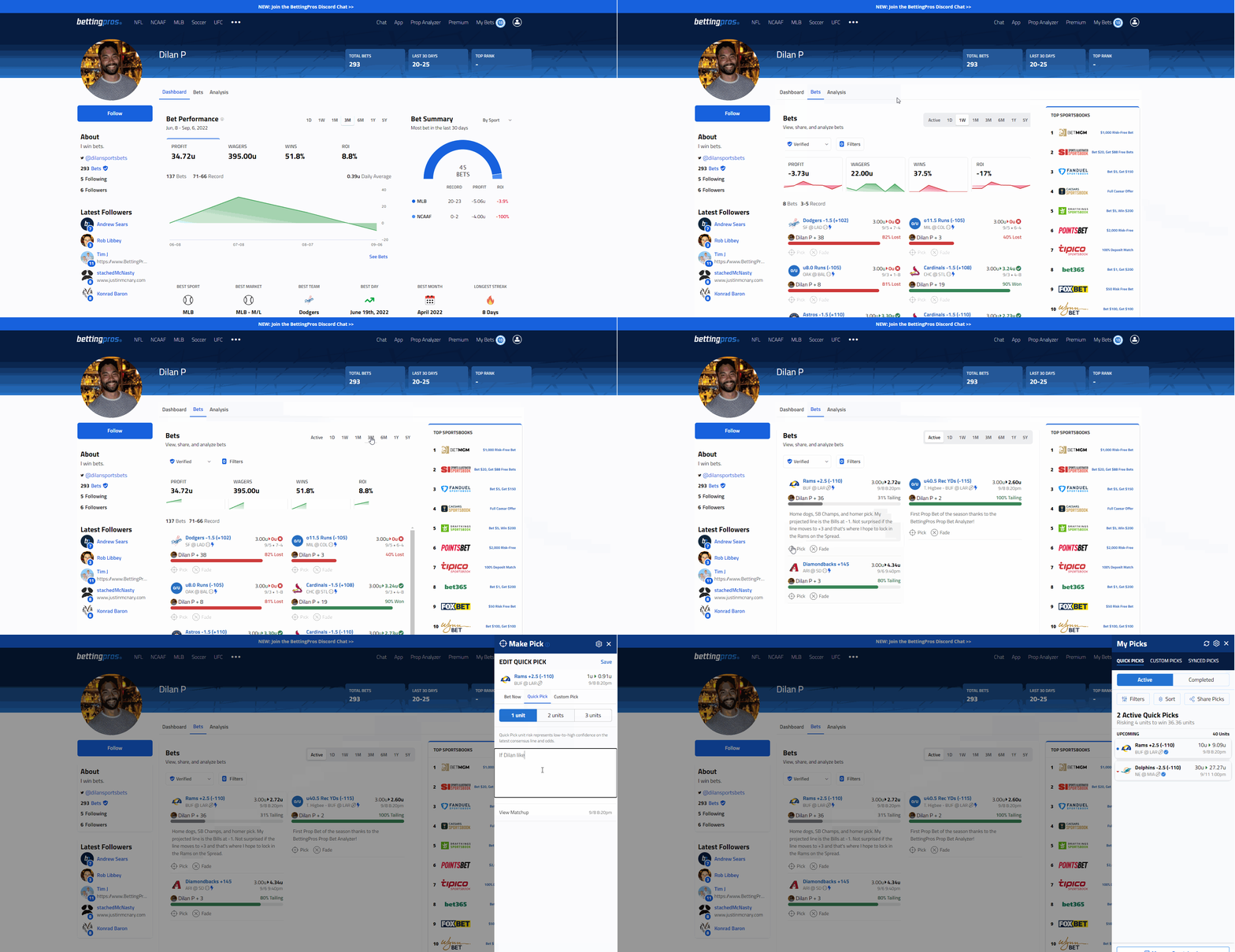
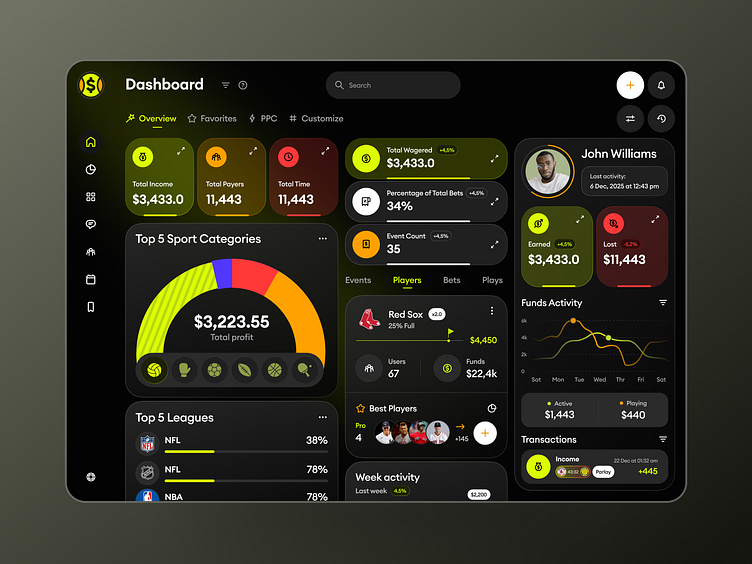
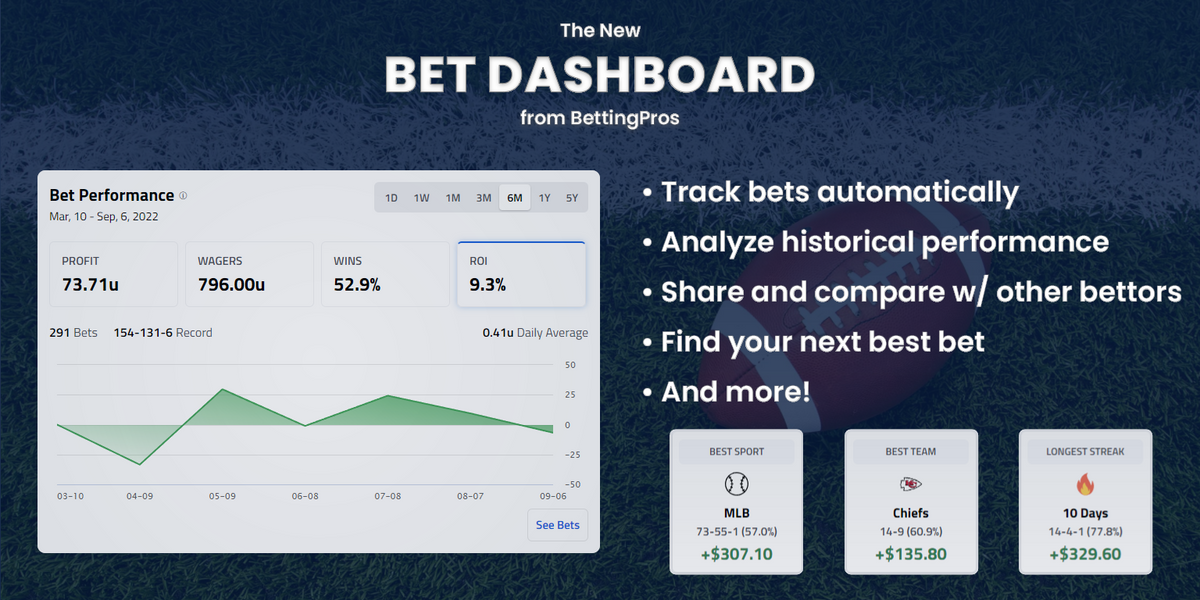
Self-monitoring interfaces typically include dashboards that summarize key information, such as total wagers, wins and losses, session duration, and trends over time. By presenting this data in an easily digestible format, bettors can quickly recognize patterns that may indicate risky behavior, such as escalating stakes or prolonged play sessions. This transparency allows users to identify early signs of overcommitment, giving them the opportunity to adjust their behavior before negative consequences accumulate.
Another essential feature of self-monitoring interfaces is goal setting and limit configuration. Many platforms allow users to establish personal limits on deposits, wagers, and time spent betting. These settings act as a safeguard, preventing users from unintentionally exceeding their planned budgets or extending sessions beyond a healthy duration. The combination of proactive goal setting with real-time feedback ensures that bettors remain in control, promoting financial responsibility and reducing the likelihood of regretful decisions.
Visual indicators, such as progress bars, charts, and alerts, play a critical role in enhancing the effectiveness of self-monitoring interfaces. By translating complex behavioral data into intuitive visuals, these tools reduce cognitive load, enabling users to quickly interpret their activity without feeling overwhelmed. For instance, a color-coded system might highlight when a bettor is approaching their deposit limit or when cumulative losses reach a concerning threshold. Such immediate feedback encourages mindfulness and self-reflection, reinforcing positive decision-making habits.
Notifications and reminders are another dimension that strengthens self-monitoring. Timely prompts can alert users to take breaks, review their spending, or consider adjusting their limits. These interventions not only prevent extended periods of uninterrupted play, which can contribute to fatigue and poor judgment, but also reinforce the bettor’s awareness of their actions. By integrating these cues seamlessly into the interface, platforms help users maintain a balanced relationship with betting without creating intrusive or punitive experiences.
Data analytics underpin the effectiveness of self-monitoring interfaces by providing actionable insights into user behavior. Advanced platforms employ algorithms that detect deviations from typical betting patterns, offering personalized suggestions or warnings. For example, if a bettor begins to increase wager sizes rapidly or engages in consecutive losses without pause, the system can provide contextual guidance, suggesting a cooling-off period or a review of past activity. These intelligent interventions support responsible gambling by combining transparency with adaptive feedback tailored to individual behavior.
The social dimension of self-monitoring interfaces also contributes to their value. Some platforms include anonymized benchmarking, allowing users to compare their activity with aggregate trends among similar bettors. This feature provides perspective, helping individuals understand whether their behavior aligns with typical patterns or may be considered high risk. By offering a reference point, these comparisons can motivate users to adopt more balanced approaches and recognize the potential consequences of excessive engagement.
User autonomy is a core principle embedded in self-monitoring design. While interfaces provide data, suggestions, and alerts, they respect the bettor’s ultimate control over decisions. Empowering users to choose when and how to respond to insights fosters a sense of responsibility and reinforces self-efficacy. This approach contrasts with restrictive or mandatory measures, which may provoke frustration or disengagement. By prioritizing informed choice, self-monitoring interfaces align user agency with behavioral guidance, creating a supportive environment for sustainable betting habits.
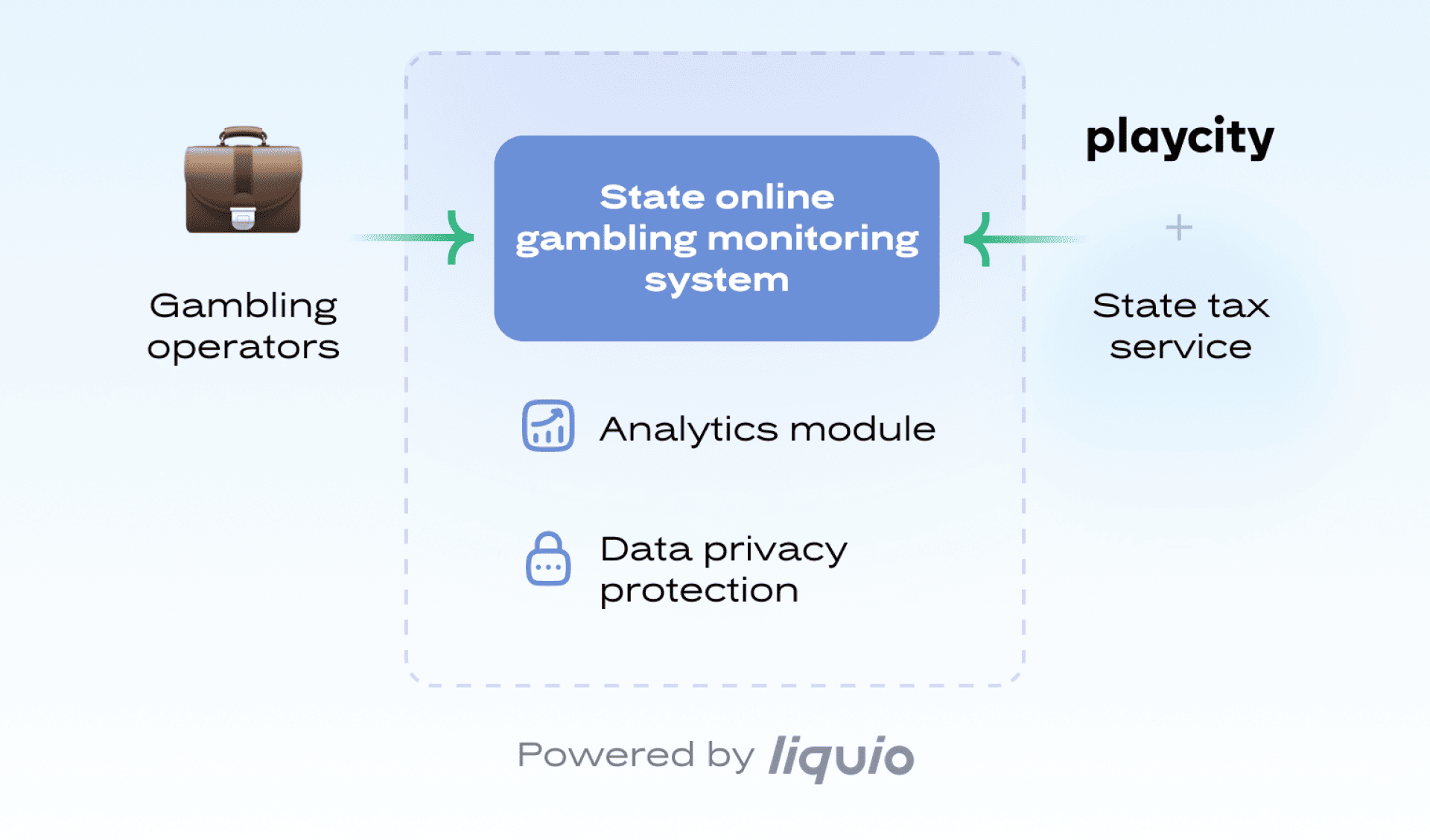
Security and privacy are also critical considerations in the development of self-monitoring tools. Effective interfaces ensure that personal data is stored and processed in compliance with regulations, protecting sensitive information such as transaction histories and behavioral metrics. By providing transparency about data usage and safeguarding confidentiality, platforms enhance user trust, encouraging engagement with self-monitoring features and fostering a culture of responsible gambling.
The integration of mobile technology further amplifies the utility of self-monitoring interfaces. With smartphones and tablets as primary access points for many bettors, mobile-optimized dashboards enable continuous awareness, even when users are away from traditional desktop setups. Features such as push notifications, adaptive charts, and easy limit adjustments ensure that self-monitoring remains accessible, convenient, and responsive to dynamic betting contexts.
Educational components within self-monitoring interfaces enhance their effectiveness by providing context and guidance. Tutorials, tooltips, and scenario-based explanations help users interpret their data and understand the implications of certain behaviors. For instance, illustrating the compounding effect of incremental losses or the probability of consecutive wins educates bettors, bridging the gap between raw metrics and meaningful insight. This combination of data transparency and knowledge empowers users to make decisions rooted in understanding rather than impulse.
In addition, self-monitoring interfaces contribute to the broader objectives of responsible gambling programs by offering data-driven evidence for both users and regulators. Aggregated anonymized data can inform platform policies, highlight trends, and support interventions designed to minimize harm. By linking individual self-monitoring tools with organizational oversight, betting platforms can create an ecosystem that balances enjoyment with safety, fostering long-term engagement grounded in trust and accountability.
Ultimately, self-monitoring interfaces redefine the relationship between bettors and gambling platforms. They transform passive participation into an active, informed, and reflective process, enabling users to enjoy betting while maintaining control over their financial and temporal investment. By combining transparency, personalized feedback, goal-setting tools, and educational support, these systems help bettors navigate the complexities of gambling with confidence and awareness. As technology continues to advance, self-monitoring interfaces are poised to become a standard feature, supporting responsible behavior, promoting well-being, and reinforcing the sustainable growth of the online betting industry.
Through these design principles, betting platforms can create environments where enjoyment and responsibility coexist. Users are empowered to engage in betting experiences without sacrificing control, making informed decisions that reflect their limits and preferences. In this way, self-monitoring interfaces are not merely functional tools; they are enablers of mindful participation, promoting safer gambling practices and contributing to a healthier, more transparent ecosystem for all stakeholders involved.
By embedding these principles into the architecture of betting platforms, developers foster trust, reduce harm, and elevate user experience. As more bettors adopt self-monitoring practices, the industry benefits from higher retention rates, enhanced reputation, and a demonstrable commitment to ethical engagement. The continuous refinement of these interfaces, guided by behavioral insights and technological advancements, ensures that betting remains a controlled, engaging, and responsible activity, tailored to the needs and well-being of individual users.




Leave a Reply